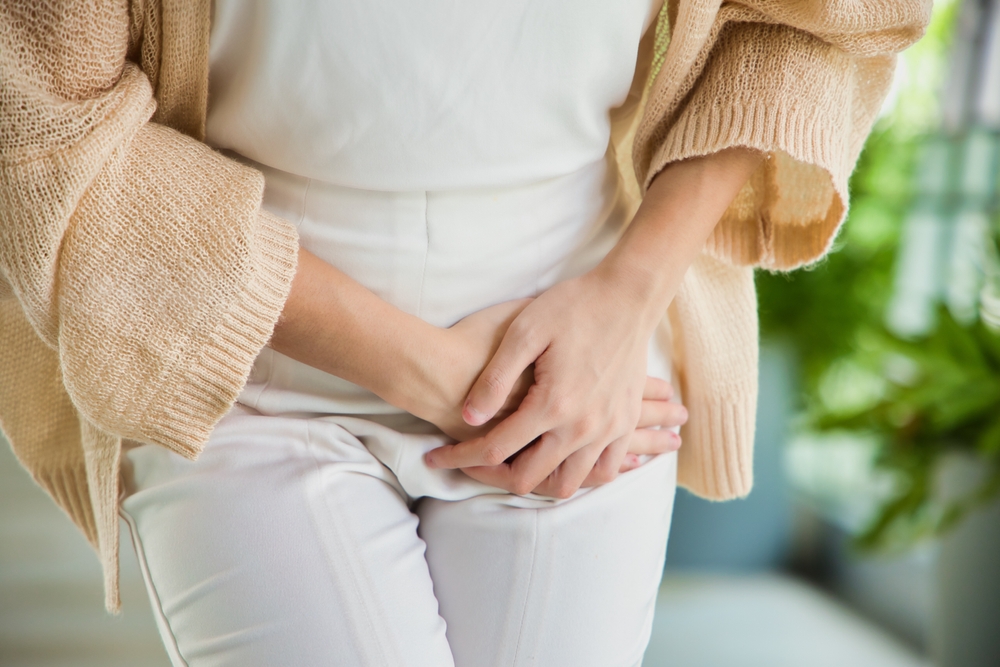
Urinary incontinence is the unintended loss of bladder control that leads to urine leakage. The condition affects millions of people worldwide, yet many hesitate to discuss it with a health care provider. Left unaddressed, bladder control problems can impair quality of life, strain relationships, and limit physical activity.
Urinary incontinence can feel overwhelming, but it is often a signal that something deeper in the body needs attention. At Anora Integrative Health and Aesthetics in Daytona Beach, founder Dr. Jepma blends decades of conventional medical experience with advanced functional medicine training to uncover and address the root causes of bladder control problems, instead of masking symptoms with short-term fixes. His patient-centered approach recognizes that every person’s pelvic floor strength, hormone balance, nervous system health, and lifestyle are unique, so successful treatment must be just as individualized.
What Is Urinary Incontinence?
Urinary incontinence occurs when the bladder muscle, urethral sphincter, or the nerves that coordinate bladder function no longer work in harmony. The urinary system is designed to store urine in the bladder and release it through the urethra during a planned trip to the bathroom. When that system falters, different patterns of leakage appear:
Stress incontinence
Weak pelvic floor muscles allow urine to leak during coughing, sneezing, laughing, or lifting.
Urge incontinence (overactive bladder)
A strong urge to urinate appears suddenly, giving little time to reach a restroom.
Overflow incontinence
A blockage, enlarged prostate, pelvic organ prolapse, or weak bladder muscles prevent full emptying, so dribbling and constant loss of urine follow.
Functional incontinence
Physical or cognitive limitations, such as parkinson’s disease, spinal cord injuries, or severe arthritis, delay a timely bathroom trip.
Mixed incontinence
A combination of stress urinary incontinence and urge incontinence.
Understanding these patterns is vital because each type responds to different treatment strategies.
Common Causes of Urinary Incontinence
Loss of bladder control can arise from several overlapping influences. Hormonal changes during pregnancy, childbirth, and menopause may weaken pelvic muscles or reduce estrogen, leading to stress incontinence. In men, benign prostatic hyperplasia or prostate surgery often triggers overflow leaks or sudden urges. Neurological conditions such as multiple sclerosis, Parkinson’s disease, stroke, or spinal cord injuries disrupt the nerve signals that coordinate healthy bladder training.
Constipation, obesity, diabetes, and chronic coughing increase abdominal pressure or irritate the bladder, while diuretics, sedatives, and certain blood pressure medicines can either boost urine production or relax the urinary sphincter. A urinary tract infection can inflame bladder tissue and intensify urgency, and lifestyle habits like excess caffeine, alcohol, or smoking further stress pelvic support.
Because these factors often overlap, the smartest path to lasting relief begins with a comprehensive assessment. Dr. Jepma blends decades of conventional medical practice with advanced functional medicine training, giving him a unique ability to pinpoint the exact hormonal, neurological, metabolic, and lifestyle mix behind bladder control problems. If you experience any urine leaking, he is the right health care provider to consult for a personalized plan that targets the root cause and restores your confidence.
Recognizing the Symptoms
Symptoms of urinary incontinence vary in frequency and severity. Key warning signs include:
- Leaking urine when coughing or sneezing
- A sudden strong urge followed by loss of urine
- Night-time urination more than twice
- Dribbling after finishing urination
- Feeling the bladder is not empty
- Recurrent urinary tract infections
Track these events in a bladder diary, noting fluid intake, episodes of leakage, and activities surrounding each incident. The diary helps a urologist or primary care doctor identify patterns and tailor an intervention.
Diagnosis and Assessment
A health care provider will start with a detailed medical history and physical exam. For women, the clinician checks for pelvic organ prolapse, while men are assessed for an enlarged prostate. Typical tests include:
Urinalysis
Detects infection, blood, or glucose.
Post-void residual measurement
Measures urine left in the bladder after urination, indicating overflow risk.
Urodynamic testing
Evaluates bladder pressure, urethral function, and sphincter control during filling and voiding.
Imaging studies
Ultrasound or cystoscopy may reveal blockage or structural issues.
Effective Treatment Options
Successful management blends lifestyle changes, targeted exercises, medications, devices, or surgery, depending on severity.
Lifestyle and Behavioral Therapies
Retraining everyday habits often brings the biggest long-term payoff for bladder control. Bladder training teaches you to stretch the time between restroom visits in small, steady increments, which conditions the nerves and bladder muscle to tolerate larger volumes. Daily Kegel sessions—slowly contracting then relaxing the pelvic floor muscles—reinforce support around the bladder neck and urethra; biofeedback or phone apps can confirm proper technique. Maintaining a healthy weight reduces constant pressure on pelvic tissues, while sensible nutrition that cuts back on caffeine, citrus, and artificial sweeteners keeps the bladder calmer. Thoughtful fluid scheduling and lighter evening drinking lower the risk of overnight leaks, and a fiber-rich diet with plenty of water prevents constipation that can strain the pelvic floor.
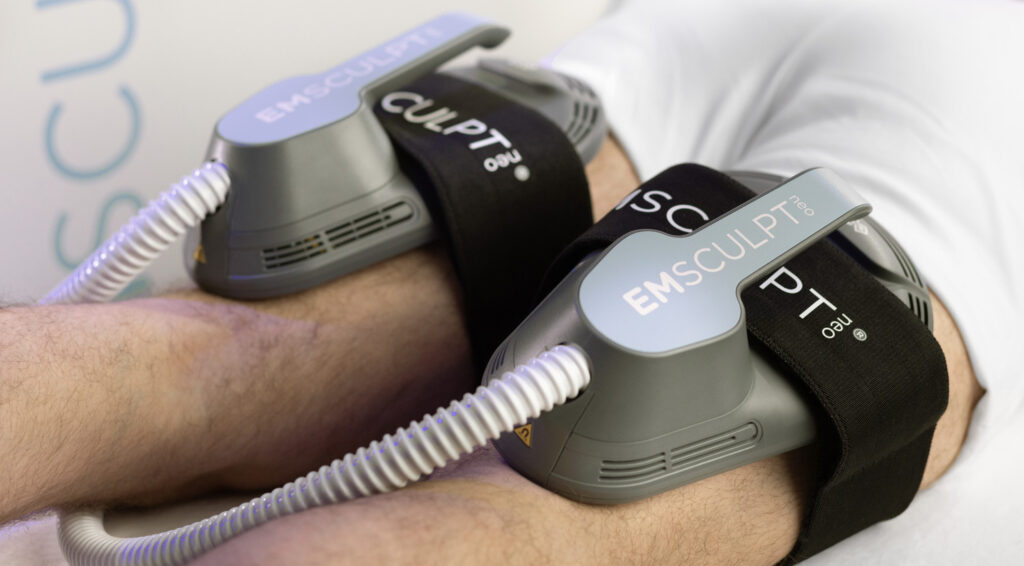
Emsella adds a modern, no-sweat boost to these strategies. During a 28-minute session on the Emsella chair, high-intensity focused electromagnetic energy provokes thousands of supramaximal contractions in the pelvic floor muscles—far more than you could achieve with voluntary Kegels. Over a series of treatments, this deep stimulation can tighten the pelvic hammock, restore urethral closure, and markedly reduce stress or mixed incontinence, all while you remain fully clothed and comfortable.
Medications and Minimally Invasive Interventions
When behavioral changes are not enough, targeted therapies can calm an overactive bladder or shore up urethral support. Anticholinergic tablets and newer beta-3 agonists relax bladder muscle and curb urge leaks, and mirabegron offers similar relief with fewer dry-mouth complaints. In post-menopausal women, topical estrogen helps thicken urethral tissues for better sealing.
Office-based Botox injections into the bladder wall quiet severe urgency for several months at a time, while percutaneous tibial nerve stimulation and implantable sacral neuromodulators rewire bladder reflexes through gentle electrical pulses.
Devices and Surgical Procedures
If leakage persists, mechanical supports or surgery may provide a more durable fix. A vaginal pessary props up the urethra and bladder neck, relieving stress leaks linked to pelvic organ prolapse, whereas disposable urethral inserts act like temporary plugs during exercise. Sling procedures place a strip of mesh or your own tissue beneath the urethra, forming a hammock that stays taut during coughing or lifting; bladder neck suspension achieves a similar lift by anchoring nearby ligaments.
In men with severe stress incontinence, an artificial urinary sphincter encircles the urethra with a fluid-filled cuff that opens on demand, and injectable bulking agents can add volume around the urethra to improve closure. The right choice depends on overall health, incontinence type, and personal goals, making a thorough discussion with a urologist essential.
Selection hinges on overall health, the specific type of urinary incontinence, and patient preference.
Coping Strategies and Quality of Life
Living with bladder control issues can feel overwhelming, yet several practical measures make daily life easier. Modern, slim protective garments and pads trap moisture and neutralize odor so you can stay active without worry. Scheduled voiding, which pairs bathroom visits with predictable parts of your day such as meals or work breaks, reduces the chance of sudden accidents. Group pelvic health classes that focus on pelvic floor exercises foster consistency and remove the embarrassment of working alone.
Counseling or peer support groups offer a safe place to share experiences, easing isolation and anxiety, while open communication with a partner or close friends prevents misunderstandings and builds a stronger support network. Caring for emotional well-being is just as important as addressing physical symptoms.
Prevention and Healthy Habits
Although not every case of urinary incontinence can be avoided, several everyday habits can meaningfully lower your risk. Keeping a healthy weight eases constant pressure on pelvic tissues, and regular exercise that strengthens the core without jarring impact helps maintain firm pelvic support. Daily Kegel routines (especially during and after pregnancy) keep the pelvic floor responsive, while prompt treatment of chronic cough, constipation, or a urinary tract infection prevents ongoing irritation.
Periodic medication reviews with your clinician reveal drugs that might relax the urinary sphincter or increase urine production, and limiting caffeine and alcohol curbs sudden urgency. Early attention to even mild symptoms can halt progression and protect long-term bladder function.
Conclusion
Urinary incontinence is a common yet manageable condition rooted in diverse anatomical, neurological, and lifestyle factors. Recognizing the specific type of urinary incontinence, from stress incontinence to overflow incontinence, allows a health care provider to craft a personalized treatment plan. Options range from bladder training and pelvic floor exercises to medications, nerve stimulation, and sling procedures.
By combining medical guidance with informed self-care, people who leak urine can regain confidence, restore bladder control, and improve quality of life. Schedule a comprehensive consultation with Dr. Jepma and the Anora Integrative Health team today to create a personalized plan that targets the underlying factors driving your urinary incontinence, strengthens your overall wellness, and helps you live confidently again.