Diastasis recti is more than a postpartum buzzword. It describes the partial or complete separation of the rectus abdominis muscles, the paired “six-pack” bands that run down the front of the abdominal wall. When pressure inside the abdomen rises, the connective tissue strip between these muscles, called the linea alba, can stretch and thin. The result is a weakened core, a visible bulge near the belly button, and issues that range from poor posture to back pain.
At Anora Integrative Health and Aesthetics in Daytona Beach, Dr. Jepma looks beyond the surface to find and fix the root causes behind that muscle separation. Drawing on years of functional medicine training and personalized care protocols, he designs treatment plans that rebuild core strength, restore confidence, and support whole-body wellness, so you can move, breathe, and live without limits.
What Is Diastasis Recti?
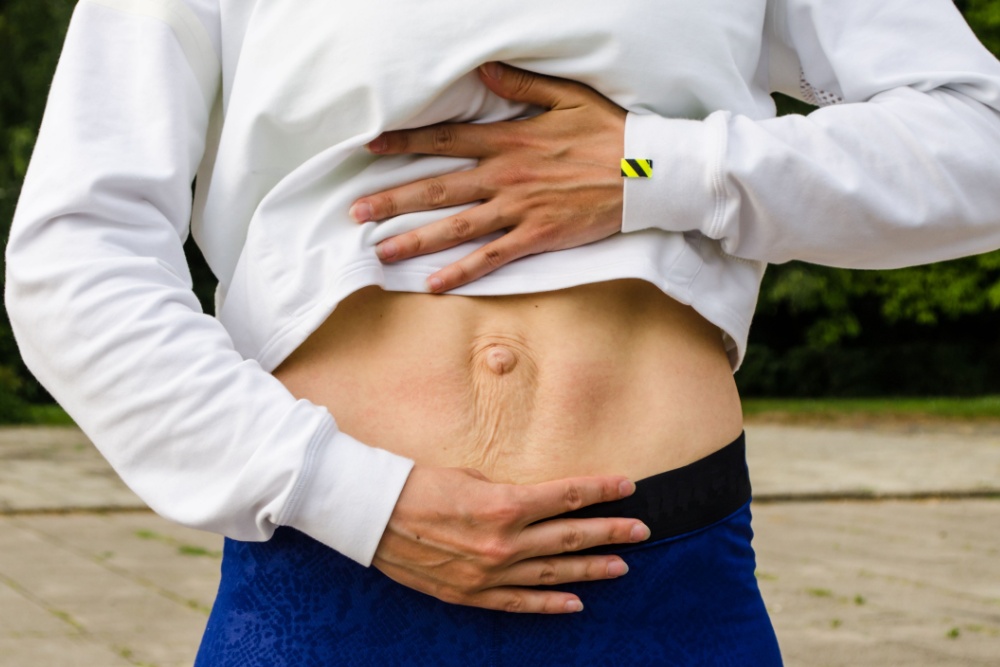
Under normal conditions, the right and left rectus abdominis muscles meet at the midline. Pregnancy, weight gain, heavy lifting, or any factor that increases intra-abdominal pressure can push those muscles apart, creating an abdominal separation. Because the linea alba has elasticity, it usually recoils. In some cases, however, the tissue remains stretched, leaving a gap of more than two finger widths. That opening can allow the abdominal area to dome or protrude, especially when you try to sit up or perform crunches.
While mothers in the third trimester and the first few months postpartum represent the most common group diagnosed with diastasis recti, the condition can also affect men, infants, and exercisers who overload poorly conditioned core muscles. In severe cases the weakened midline resembles a hernia and may contribute to constipation, urinary incontinence, or pelvic floor dysfunction.
Causes of Diastasis Recti
Pregnancy is the most common cause because the growing uterus pushes outward and hormonal shifts soften connective tissue. Multiple pregnancies, carrying large babies, or having twins heightens risk factors by repeating the stretch cycle before tissue can recover. Rapid or excessive weight gain, heavy resistance training without proper bracing, and chronic coughing can also increase abdominal pressure. Even popular fitness moves like traditional sit-ups or bicycle crunches can worsen muscle separation if performed without correct technique or before core stability returns.
Men may develop diastasis recti after years of heavy lifting with poor form, while infants can be born with a small gap that typically closes on its own. Regardless of age or gender, any activity that repeatedly strains a weak abdominal wall or linea alba can cause or worsen the condition.
Symptoms of Diastasis Recti
Many people notice a visible bulge along the midline when they contract the core or rise from a lying position. This doming or “pooch” often appears above or below the belly button. Other signs of diastasis recti include:
- Low back pain or lower back pain
- Core weakness and reduced muscle tone
- Poor posture and difficulty stabilizing the trunk
- Feelings of abdominal heaviness
- Pelvic floor symptoms such as urinary incontinence or constipation
- A sensation of separated muscles when you press gently on the midline
Because these complaints overlap with other issues like hernia, it is important to confirm the diagnosis and rule out complications.
Diagnosing Diastasis Recti
A simple self-check can reveal a gap: Lie on your back with knees bent, place fingers just above the belly button, and lift your head slightly. If two or more finger widths sink into the midline, you may have an abdominal separation. Still, self-assessment can be inaccurate. A licensed healthcare provider or physical therapist can measure the width and depth of the gap, assess linea alba tension, and test overall core function.
In complex or severe diastasis recti, ultrasound imaging may be ordered to evaluate connective tissue quality and to differentiate the condition from an abdominal hernia. Correct measurement guides the treatment plan and determines whether conservative care or diastasis recti surgery is appropriate.
Effective Treatments for Diastasis Recti
Conservative care
Most cases improve with targeted physical therapy. A therapist will teach breathing patterns that recruit the transverse abdominis and pelvic floor, two deep core muscles essential for closing the gap. Gentle diastasis recti exercises such as heel slides, pelvic tilts, and modified side planks encourage the abdominal wall to draw inward without creating excessive pressure. Over time an individualized exercise program progresses to standing functional moves that translate to daily life and sport.
Important guidelines:
- Avoid traditional crunches, uncontrolled sit-ups, and heavy lifting in early rehab phases.
- Focus on slow exhales and ribcage movement to reduce pressure on the linea alba.
- Wear supportive garments if instructed, but do not rely on them as a permanent brace.
Emsculpt Neo
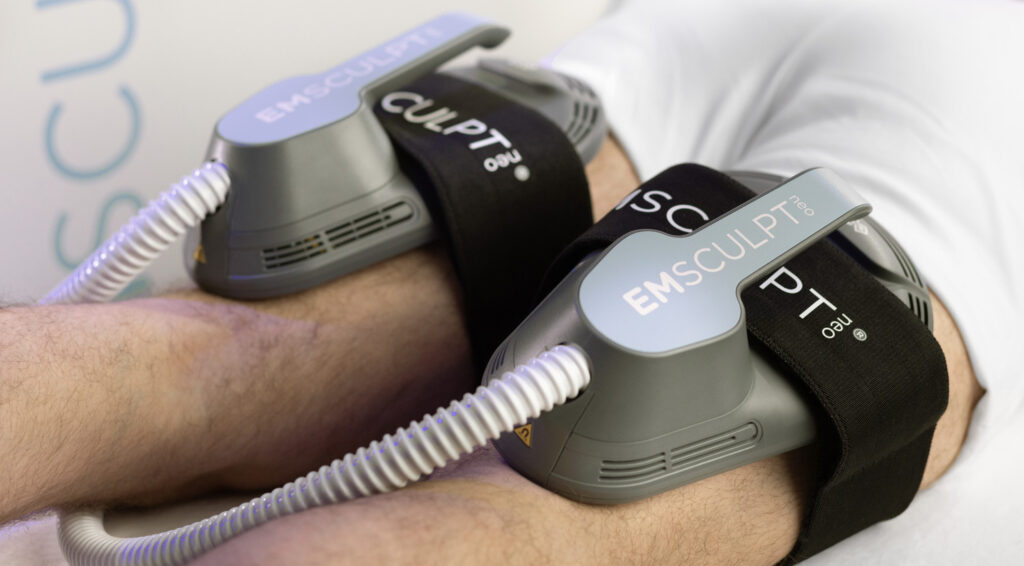
Emsculpt Neo offers a noninvasive way to address diastasis recti by pairing radiofrequency heating with high-intensity focused electromagnetic pulses that force the rectus abdominis to contract thousands of times in a single session. These supramaximal contractions thicken the abdominal muscles, improve linea alba tension, and can shrink the distance between separated muscles by roughly 10 to 23 percent after a standard four-session protocol, according to recent clinical data. Used alongside targeted physiotherapy, the treatment helps rebuild core stability while avoiding surgery, making it a valuable addition to an integrative plan for diastasis recti recovery.
Surgical options
When conservative therapy fails, severe diastasis recti with a wide, lax gap may require operative repair. Abdominoplasty, popularly called a tummy tuck, allows the surgeon to suture the separated muscles together and remove excess skin. Some patients choose diastasis recti surgery alone, while others combine it with hernia repair or cosmetic contouring. Incisions span hip-to-hip, recovery lasts several weeks, and full core loading is delayed until tissue heals. Because surgery carries risk, it is reserved for patients whose quality of life or function remains limited after six months of structured physiotherapy.
Prevention and Long-Term Management
Protecting the linea alba starts with smart load management. During pregnancy, practice diaphragmatic breathing, use pillows to support the trunk in side-lying, and roll to the side before rising. In the third trimester scale back high-intensity abdominal moves and avoid exercises that create doming. After delivery or abdominal surgery, wait for medical clearance before resuming intense workouts.
Outside the postpartum window, maintain healthy body weight, strengthen hip and back muscles to share forces, and perfect lifting technique. Replace crunches with planks, dead bugs, and bird-dogs that train the entire core. Daily habits like getting out of bed, carrying groceries, and standing for long hours can stress the abdominal wall. Engaging your deep core during routine tasks creates unconscious protection.
Diastasis Recti in Men and Infants
Men often discover the condition when a persistent ridge appears during heavy lifting or when low back pain develops. A thorough evaluation should explore chronic coughing, weight-lifting form, and possible hernia. Treatment mirrors postpartum protocols: posture correction, breathing drills, and gradual loading.
Infants may have a gap above the belly button that becomes visible when they cry. Because their connective tissue still develops, the separation typically resolves by age two. Parents should monitor size and consult a pediatric healthcare provider if the bulge grows or becomes firm.
When to See a Healthcare Provider
Consult a doctor, midwife, or physical therapist if you notice a gap wider than two finger widths that persists for more than three months postpartum, a visible bulge that does not flatten when you rest, continuous low back pain or pelvic floor dysfunction, digestive complaints or constipation tied to abdominal pressure, or hernia-like symptoms such as pain, nausea, or skin discoloration.
Early professional input prevents small problems from progressing to severe cases that may demand surgical repair. When you are ready to close the gap and reclaim your core, schedule a comprehensive evaluation with Dr. Jepma and the Anora team today, and discover how an integrative approach can accelerate your recovery and elevate your overall health.
Conclusion
Diastasis recti is common and treatable. Recognizing risk factors, learning proper core mechanics, and following evidence-based physical therapy can restore muscle separation to a functional width. For the minority who need abdominoplasty, modern techniques offer safe correction when guided by experienced surgeons. Whether you are months postpartum, a weight-training enthusiast, or simply concerned about a midline bulge, taking proactive steps today will pay off in pain-free movement, better posture, and confidence in your abdominal strength.